A Sparkling Welcome: Assessing a Baby Embroidery Design
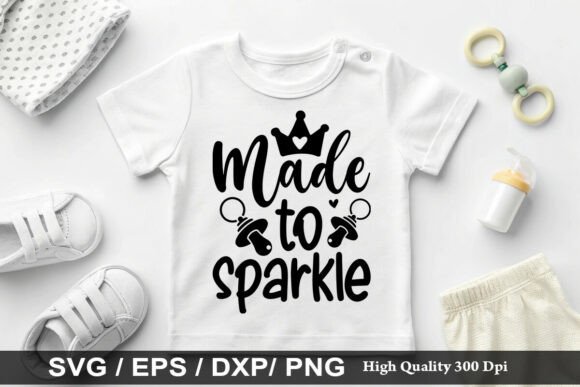
When I open a new embroidery file for the first time, I'm not just looking at lines on a screen. I'm picturing how those lines will become stitches, how those stitches will sit on fabric, and how the final piece will feel in my hands or be received by a client. It’s a translation from digital promise to physical reality. Today, I’m looking at a design called Made to Sparkle. Its name sets an expectation, and my job is to see if the design itself can meet it in a real embroidery project.
The Immediate Mood: A Soft, Celebratory Glow
The first impression of Made to Sparkle is exactly what you’d hope for a baby-themed design. It doesn’t shout; it glimmers. The theme and layout suggest a gentle celebration, a quiet announcement of joy. Visually, it feels curated for moments like baby showers or a welcome-home gift, rather than a loud, cartoonish statement. This personality is crucial. It tells me this embroidery file isn't just a graphic; it’s a mood-setter for a handmade product. The detail level appears balanced—likely enough to feel special without being so dense that it becomes a stitching challenge on delicate fabrics like baby knits or fine cotton.
A Perfect Fit for the Personal Touch
So, where does this natural personality belong? I immediately picture it on a custom embroidered baby onesie, the centerpiece of a gift basket. I also see it beautifully occupying a corner of a linen pillow cover for a nursery, or as a sweet, small accent on the front of a muslin tote bag meant for a new mom. The Made to Sparkle design feels inherently giftable. Its appeal isn’t generic; it’s specific enough to feel thoughtful, which is gold for crafters selling personalized gifts or small shops offering boutique merchandise.
Performance on Real Fabrics and Products
Let’s move from imagining to applying. How would Made to Sparkle perform when the needle starts moving? For custom apparel like baby t-shirts or tiny sweatshirts, the stitch layout needs to be forgiving on often stretchy, thin fabric. A design with very high stitch density can pucker or overwhelm such material. Without seeing exact counts, the design’s apparent style suggests it might rely on clean shapes and perhaps some satin stitch borders or fill stitch areas, which can be managed well with proper stabilizer choice. On a more robust canvas like a cotton tote bag or an apron, it would likely stitch out crisply, becoming a durable, lovely piece.
For a business owner, this versatility matters. Whether creating an embroidered patch for a blanket or directly stitching onto a cap for a photo prop, a design that adapts—without requiring major editing—saves time and upholds quality. The visual clarity after stitching directly impacts customer trust. A clean, well-defined embroidered result looks professional; a muddy, puckered one can hurt your handmade brand.
Where Caution Is Needed: The Practical Limits
Every design has its ideal applications and its trickier ones. For Made to Sparkle, I would be careful on a few fronts. If the design contains very tiny lettering or intricate decorative accents, attempting it on a small hoop size, like for a baby cap’s curved surface, might lose detail. Embroidering it onto dark fabric requires careful thread color contrast planning; a pale, sparkling theme might need brighter or metallic threads to pop on a navy background. Also, on textured fabrics like some blanket materials, small details could get lost. And for any product destined for frequent washing—baby items certainly are—a robust stitch construction and secure finishes are non-negotiable. I’d always advise testing on a scrap of the actual project fabric first.
Beyond the Stitches: Value and Engagement
The real test of a design like this isn’t just in the machine. It’s in the recipient’s reaction or the buyer’s click. When used for holiday gifts or wedding gifts for new parents, this design’s inherent warmth adds emotional value to your crafted item. For an Etsy seller, that giftability translates into better engagement, reviews, and repeat customers. In a craft fair setting, an embroidered tea towel or pillow cover featuring this theme would attract eyes because it tells a clear, sweet story.
It also supports brand consistency for a business specializing in baby or celebratory products. Offering a cohesive line of items—from apparel to nursery decor—all featuring this gentle, sparkling aesthetic, builds a recognizable shop identity. This isn't just an embroidery project; it’s a potential commercial embroidery asset.
Notes from the Hoop: A Designer’s Checklist
Before I’d commit Made to Sparkle to a client’s project or my own shop inventory, here’s my personal run-down. I’d stitch a test sample on both a light and a dark scrap of typical fabric I use—maybe a cotton swatch and a baby knit. I’d check the thread color contrast carefully, possibly adjusting palette for optimal sparkle. I’d review the stitch density in the actual embroidery file output to ensure it’s suitable for my target fabric. I’d confirm the minimum comfortable hoop size by running a test. Most importantly, I’d inspect the small details after stitching: are corners crisp? Do any running stitch elements or decorative accents remain clear?
I’d also create black and white printable mockups to see how the design reads without color, which helps assess its fundamental shape strength. And, crucially, I would verify the licensing terms of this digital embroidery file. Is it cleared for commercial use, allowing me to sell the finished tote bags or baby onesies I make with it? Or is it for personal projects only? That step is essential for any crafter, hobbyist, or entrepreneur planning to sell.
The Final Take: A Design Made to Shine in the Right Hands
Made to Sparkle presents itself as more than a graphic; it’s a sentiment rendered in digital form. Its potential in real-world embroidery hinges on the maker’s thoughtful application. With careful testing on the intended fabric, mindful choice of stabilizer for delicate or stretchy materials, and attention to thread colors for maximum glow, this design can indeed translate its promise into a sparkling, physical welcome. It feels destined for projects where warmth and celebration are the goals—a perfect fit for the maker aiming to add a personal, handmade touch to life’s sweetest moments.
For the embroidery designer, the small business owner, or the crafter looking for a design that balances appeal with practicality, this one warrants a close, professional look. Your next step? Hoop up some scrap fabric, choose your threads, and see how it sparkles under the needle. That’s the only way to know for sure, and it’s the most rewarding part of the job.